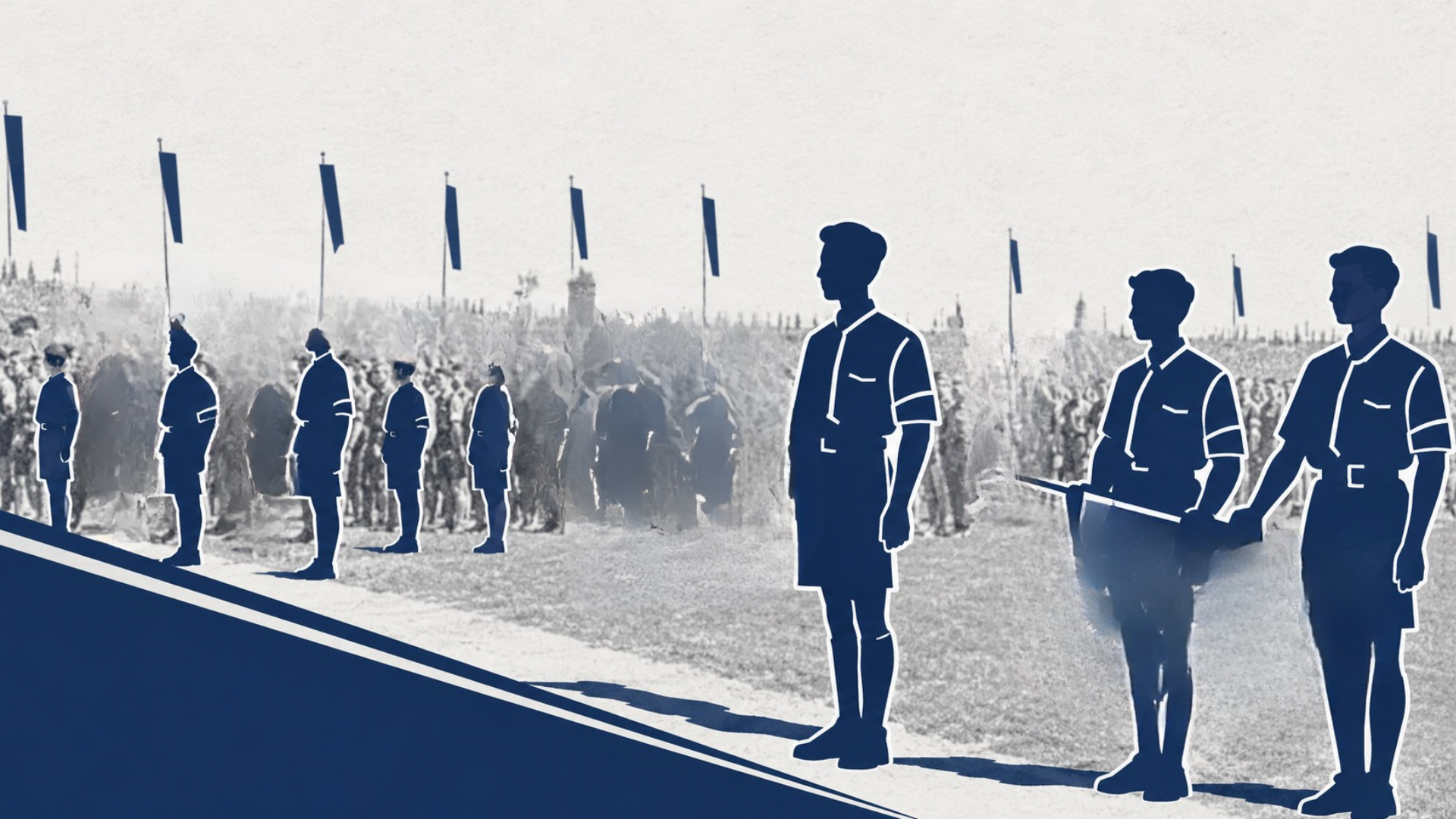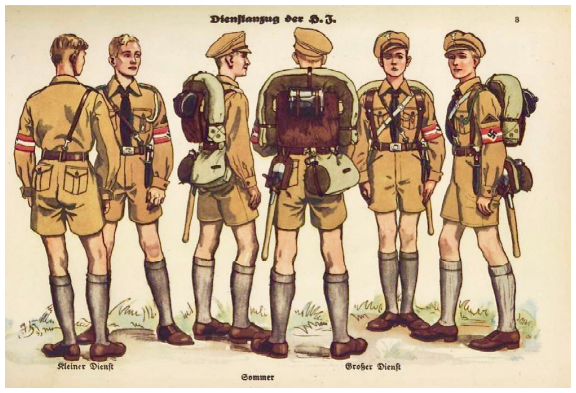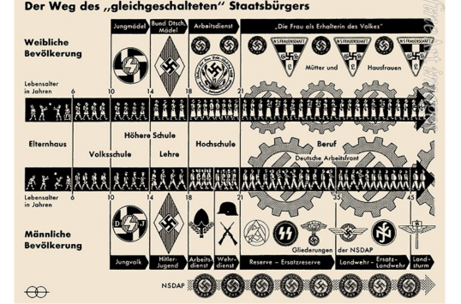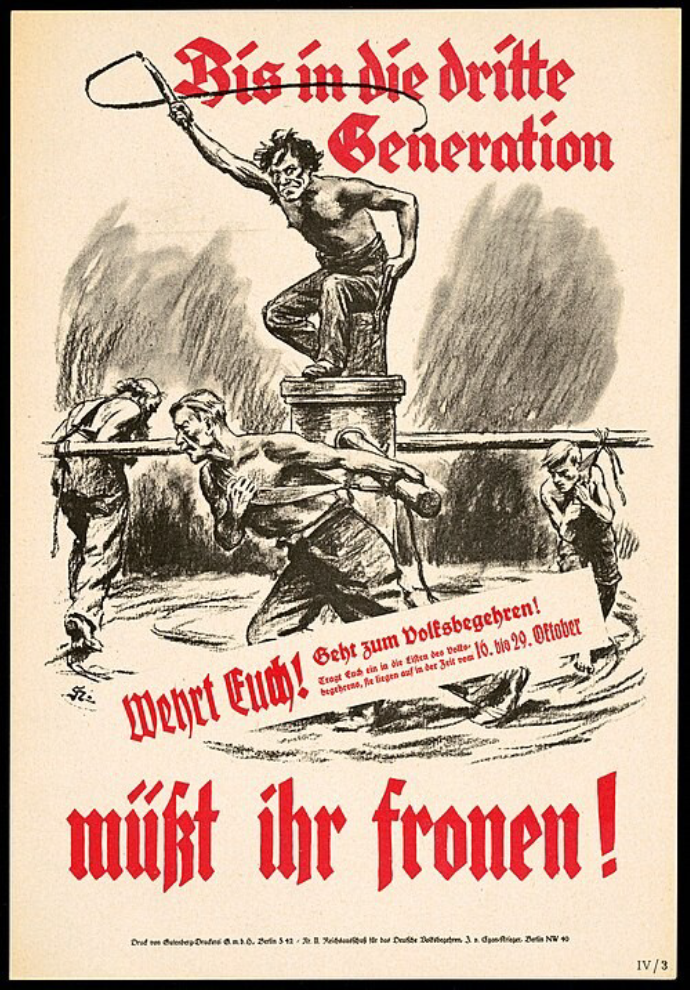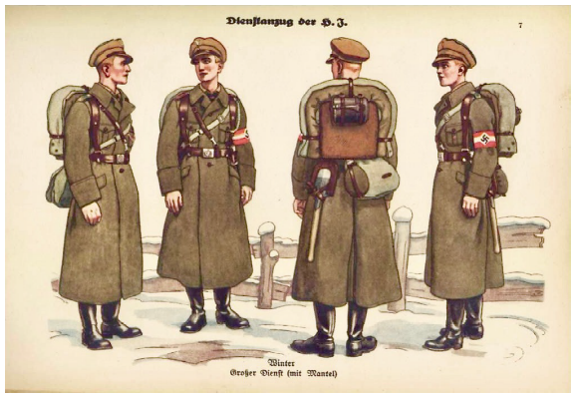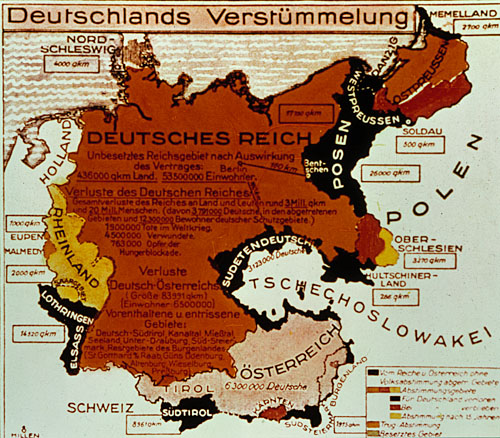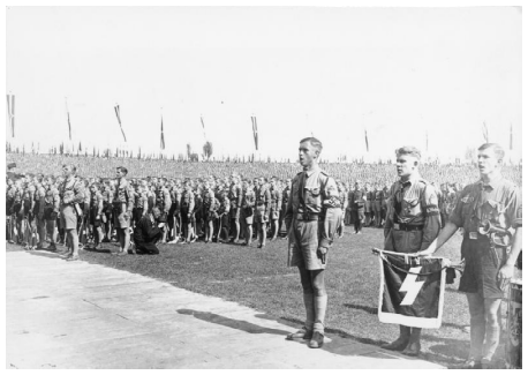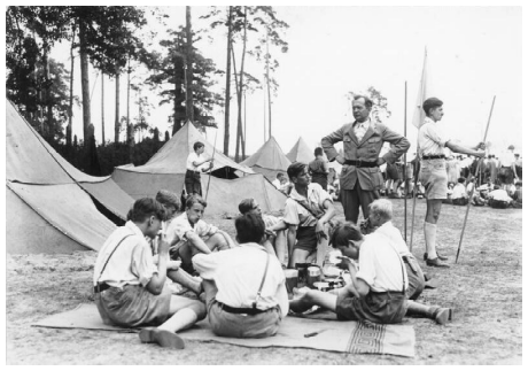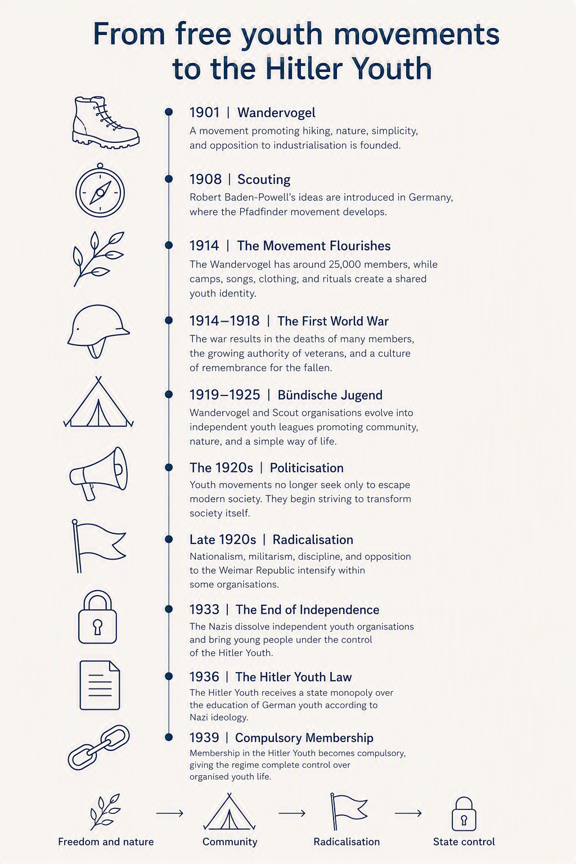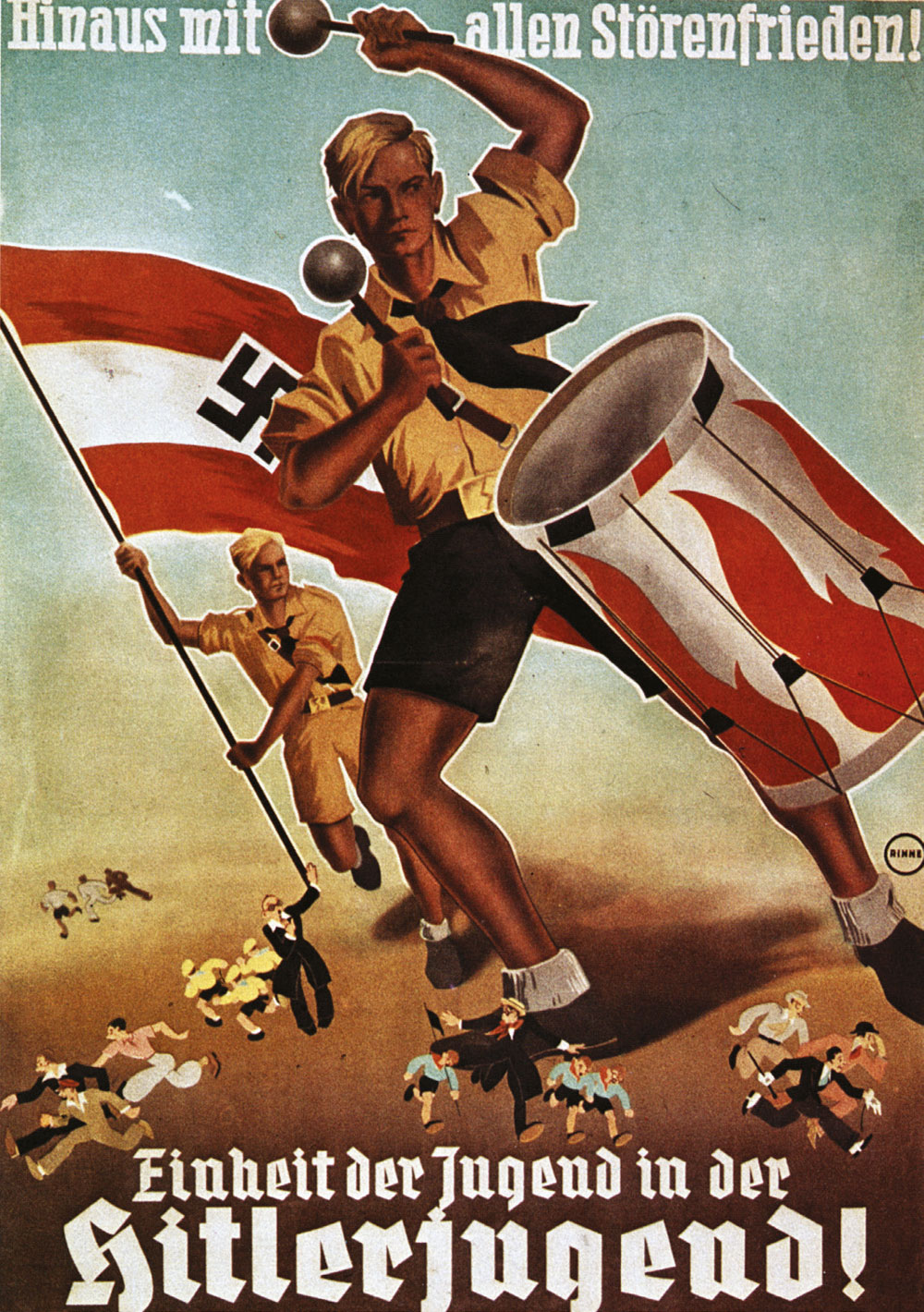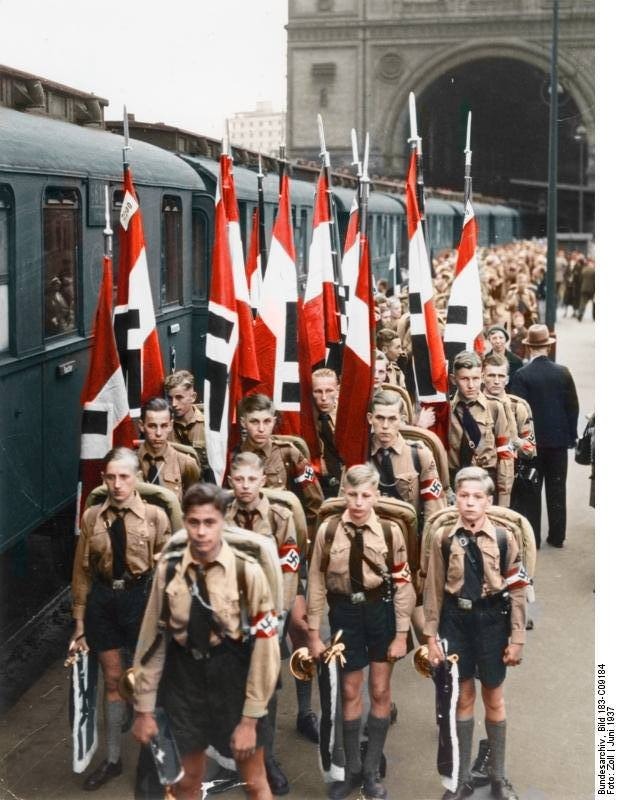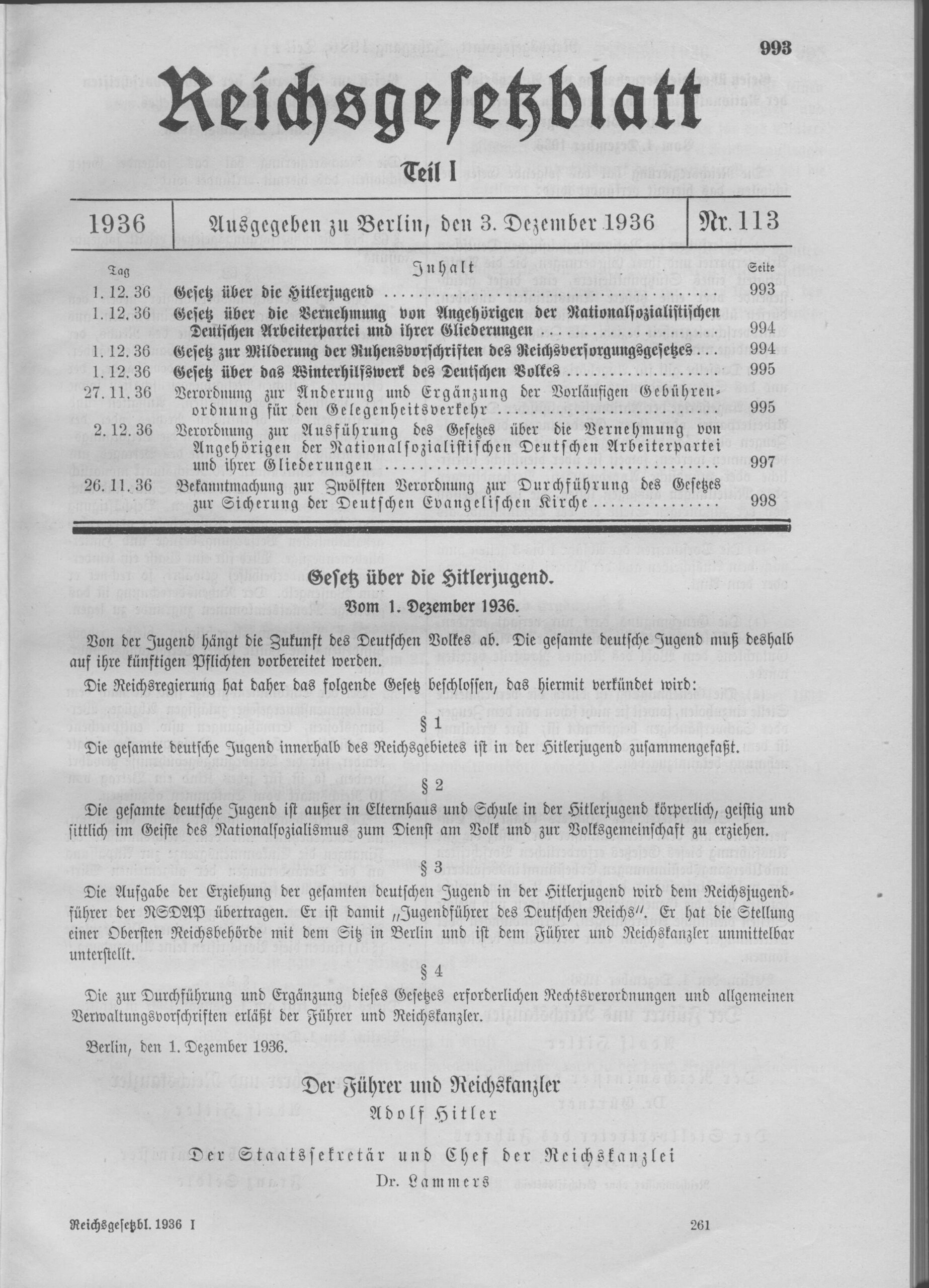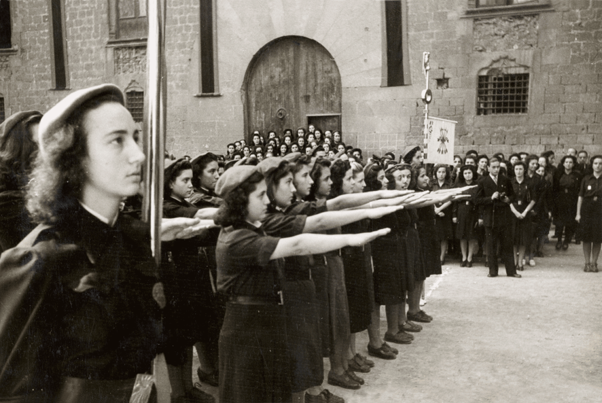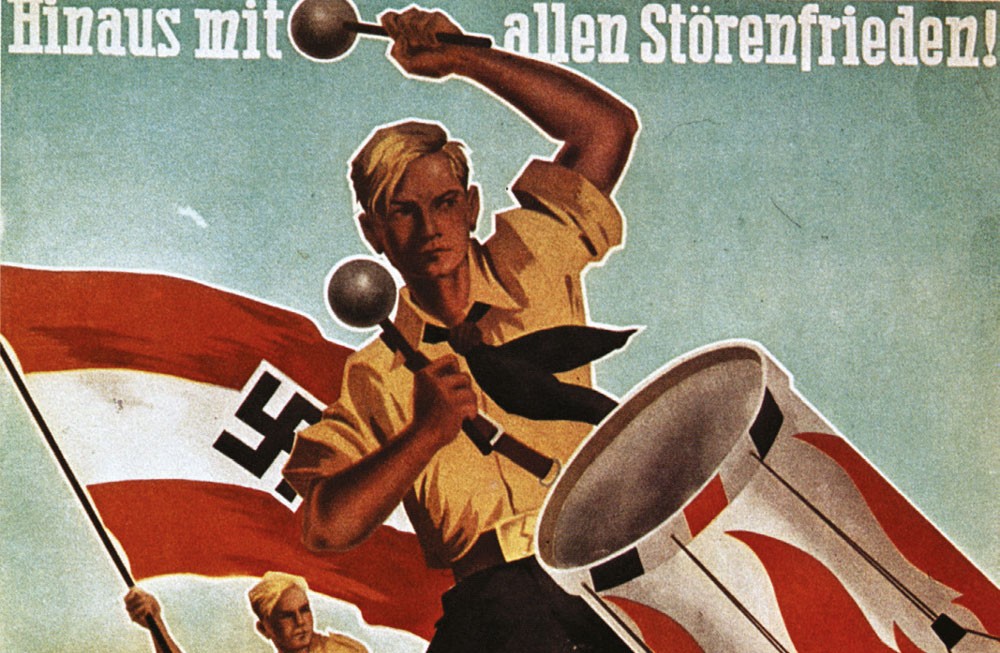
In this four-chapter lesson, students use a range of varied primary sources to explore the experiences of young people during the interwar period and under Nazi rule in Germany. They examine the emergence, development and organisation of the Hitlerjugend and the BDM (The League of German Girls), while engaging with key questions about available alternatives, freedom of choice, victimhood, individual responsibility and the role of youth in a totalitarian system.
Structure and Didactic Approach
The material provides both historical background and guidance for working with students.
The suggested tasks are examples. Feel free to modify, replace or remove any activities that do not suit the needs and abilities of your students. Some questions are intentionally challenging and are designed to encourage discussion, reflection and the expression of different perspectives.
Primary sources are at the heart of this educational material. Allow students enough time to engage closely with them and develop their own interpretations.
Setting educational goals for your learning
The Hitlerjugend (Hitler Youth) was an important part of the Nazi system. It influenced many young people and actively helped spread Nazi ideology, promoting ideas such as racism, exclusion, militarism and obedience to authority. The organisation formed part of the system that enabled Nazi Germany to wage war and carry out persecution and mass murder during the Holocaust. Young people were influenced by and became part of this system through education and propaganda, and later through practical service, military preparation and, in some cases, direct participation in persecution and violence.
At the same time, we should not treat every member of the Hitler Youth in the same way. A young person could be a committed supporter of Hitler, a private opponent of the regime or anything in between. Some became perpetrators or helpers, others benefited from the system and remained witnesses and some had very limited opportunities to act differently. There was overlap between these roles and could change over time.
Assessing the responsibility of Hitler Youth members is difficult because they were children exposed to Nazi propaganda, social pressure, indoctrination, fear and coercion. As children, they were also victims of a system that deprived them of meaningful freedom of choice. The Nazi regime indoctrinated and exploited them to sustain its rule and support its crimes.
However, this does not remove the differences between their actions. Responsibility should be considered in relation to each person’s age, actions, position, knowledge and level of choice. We should consider what a person knew, what choices were available to them and, above all, what that person actually did.
Membership in an organisation often fulfilled needs that many youth movements have in common, such as a sense of belonging, social interaction and shared activities. This was especially important as opportunities for activities outside the Nazi system became increasingly limited.
It is therefore crucial to set goals for your teaching in order to avoid simplification. You can choose from the following suggested guiding questions:
- Was there a realistic alternative to joining these organisations?
- What made such organisations attractive to young people? What made them unattractive?
- In what ways were youth organisations part of the oppressive system of a totalitarian state?
- What responsibility did young people bear for participating in the crimes of the totalitarian system in Nazi Germany?
- What was the purpose of indoctrination behind the existence of youth organisations in totalitarian systems?
- To what extent did the existence of Hitler Youth and membership in this organisation contribute to the Holocaust, the Second World War and war crimes?
Edited and with an introduction by Urszula Bijoś and Olga Dobrogowska, PhD